Leave a Message

Thank you for your message. We will be in touch with you shortly.

Relocating To Springfield: Neighborhood Orientation For Buyers

January 15, 2026

Thinking about a move to Springfield but not sure where to start? You are not alone. Between commute options, housing styles, and neighborhood names that blend together, it can feel like a lot to sort through. This guide gives you a clear, practical orientation so you can decide if Springfield fits your life, your commute, and your budget. Let’s dive in.

Where Springfield fits in NoVA

Springfield sits in Fairfax County within the Washington–Arlington–Alexandria metro area. It is just inside the Capital Beltway and south of Alexandria, with Burke, West Springfield, and Newington nearby. Many locals refer to the area as Springfield or Franconia, centered on Springfield Town Center and the Franconia–Springfield Transit Station.

Fairfax County manages property taxes, schools, parks, and public safety for Springfield. School assignment and some services vary by block, so plan to verify any address with county and school boundary tools before you buy.

Getting around: commute and transit

Springfield’s location makes it a major transportation hub. That is good for options and sometimes challenging for traffic.

Highways and Express Lanes

Interstates I‑95, I‑395, and I‑495 converge near the Springfield Interchange. This is a key gateway and a frequent congestion point at rush hour. Secondary routes like Braddock Road, Fairfax County Parkway, Rolling Road, and Backlick Road connect neighborhoods to the Beltway and local shopping.

The I‑95 and I‑395 Express Lanes offer a tolled option that can be faster into the Pentagon, Crystal City, and DC. To compare routes and see live conditions, use Virginia’s real-time resources on VDOT. For how Express Lanes work, entrances, and policies, review the operator’s information at Express Lanes.

Pro tip: Test your actual commute at the times you would travel. Sample a few weekday mornings and evenings using your preferred map app and VDOT so you can set realistic expectations.

Metro access from Franconia–Springfield

The Franconia–Springfield station is the southern terminus of Metro’s Blue Line. It is a popular park‑and‑ride with connections to downtown DC, Arlington, and transfer points across the system. For schedules, parking rules, and station details, start with WMATA’s official site.

Bus connections

Local bus service by Fairfax Connector links residential streets to the Metro station, Town Center, and nearby employment areas. Check routes, frequencies, and trip planners on the Fairfax Connector site. Metrobus also operates through the hub, which is useful if you split modes.

VRE as a commuter option

Virginia Railway Express does not stop in central Springfield. Nearby stations in neighboring communities may work if you can drive and park before boarding. Explore routes and station lists at VRE to see if your job location aligns with VRE service.

Biking and walking

Some Springfield neighborhoods feature sidewalks and access to local trail networks, including paths that connect toward Lake Accotink. To map trails and see park amenities, use Fairfax County Parks.

Housing types and what fits you

You will find a range of homes in Springfield with a heavy mix of classic suburban styles and transit-friendly options.

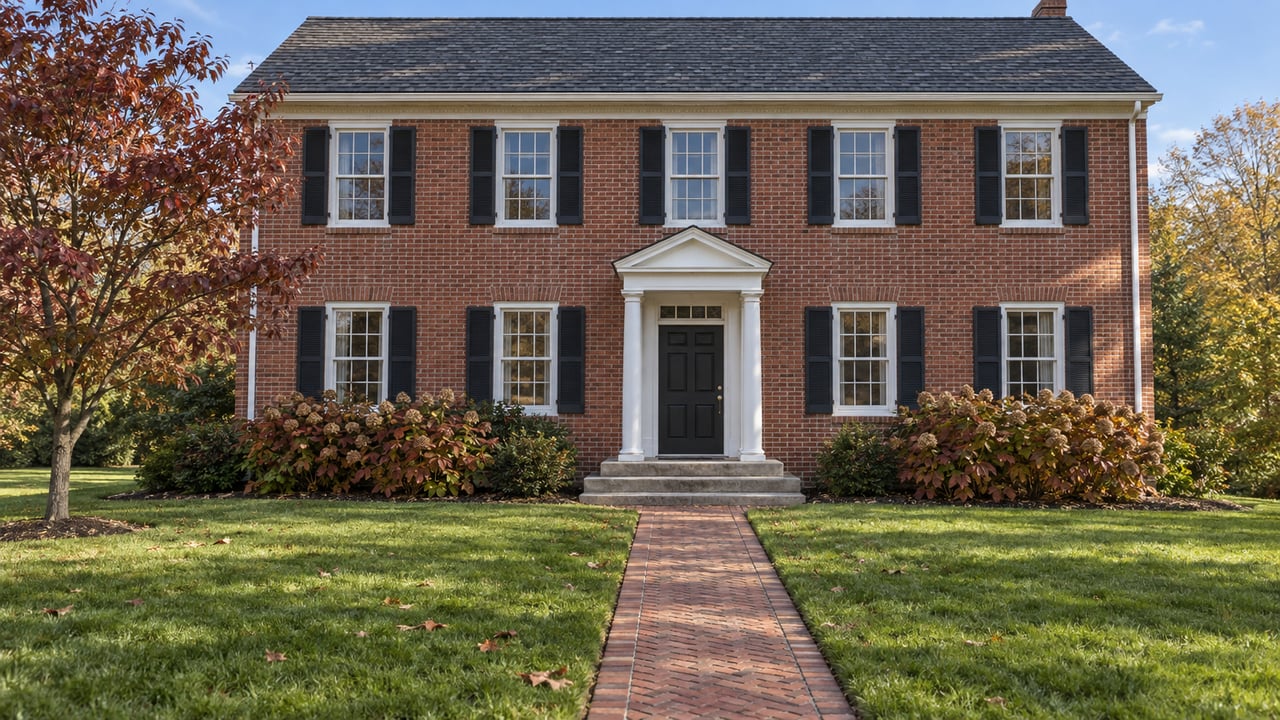
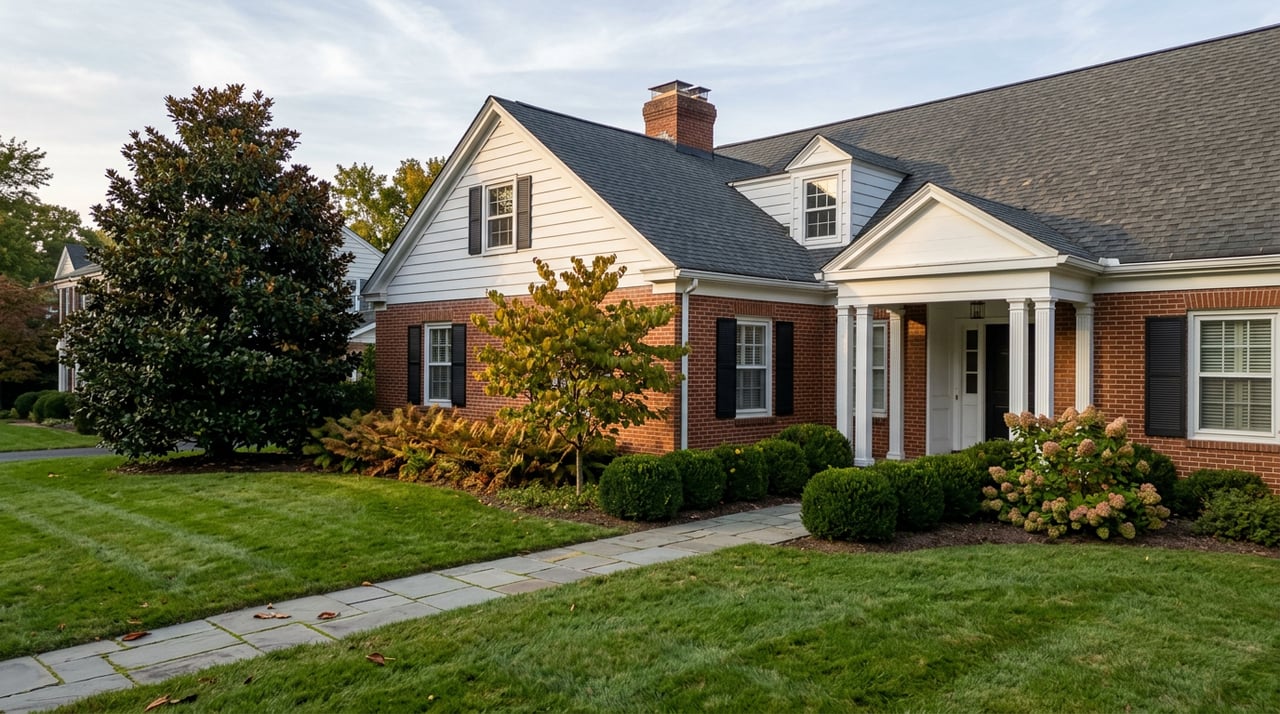
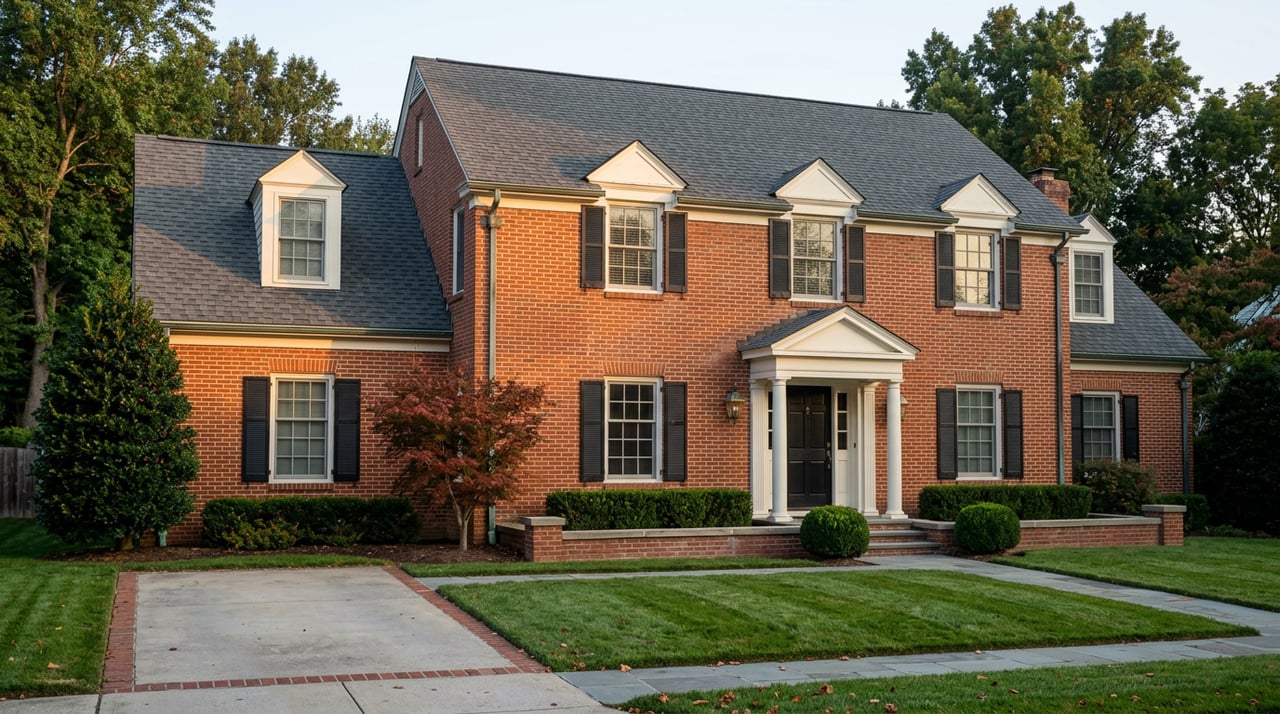
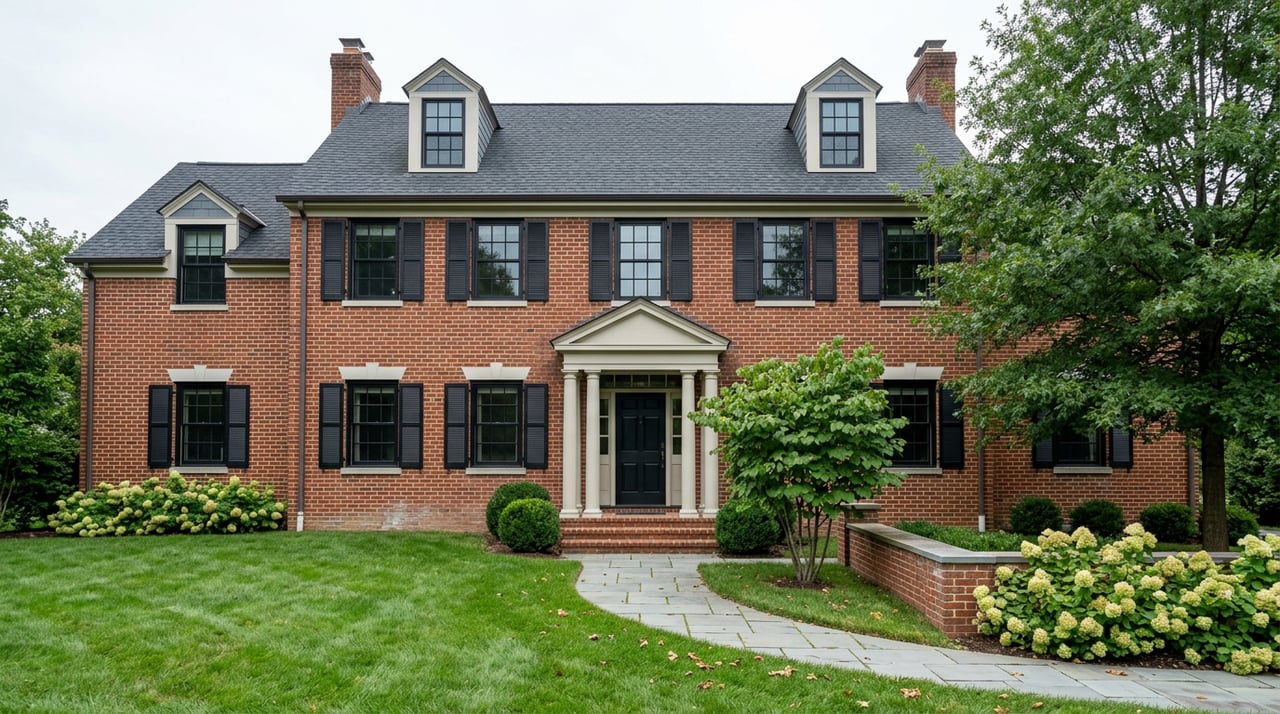
  • Single‑family detached: Many split‑foyer, colonial, and rambler homes built between the 1950s and 1980s, often on varied lot sizes. These appeal if you want yard space and room to grow.
  • Townhouses: Common across price points and a frequent first‑home choice in Northern Virginia. They balance space, maintenance, and budget.
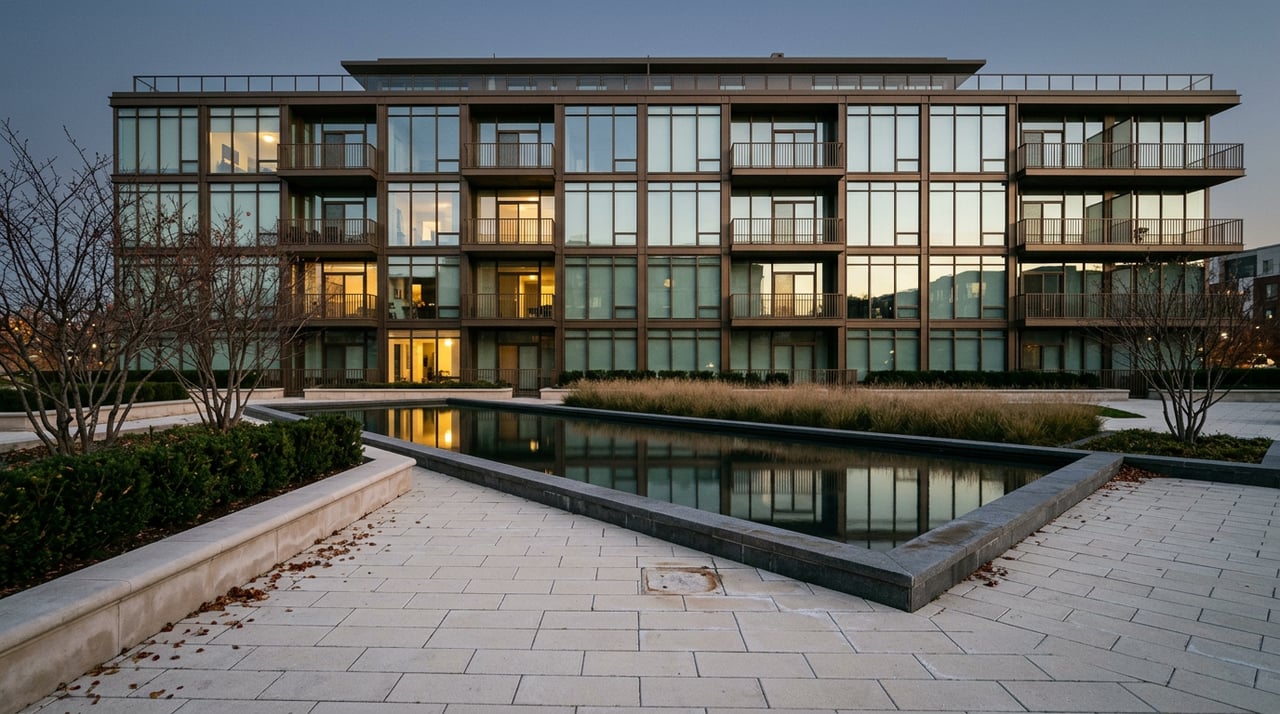
  • Condos and garden‑style buildings: Concentrated near Springfield Town Center and transit. These suit buyers who want low‑maintenance living and quick access to the Blue Line.
  • Newer infill and mixed‑use: Redevelopment around the Town Center and near transit has added newer units. Expect different HOA structures and pricing.

Budgeting beyond list price

Your monthly cost includes more than principal and interest. Plan for the full picture:

  • Property taxes and assessments: Fairfax County sets rates and billing timelines. Review current policies and payment schedules at Fairfax County’s official site.
  • HOA and condo fees: Townhomes and condos often include exterior maintenance, trash, common areas, and reserves. Compare fee amounts and what they cover across buildings and communities.
  • Insurance, utilities, and maintenance: Older single‑family homes can need more ongoing care. Condos shift some maintenance to the association, though special assessments may occur.

If you are a first‑time buyer, look into loan options and assistance. State programs through Virginia Housing (formerly VHDA) provide down payment and closing cost help for eligible buyers. FHA, VA, and conventional mortgages are common across Northern Virginia.

Everyday conveniences and lifestyle

Springfield puts everyday errands close to home while keeping regional hubs within reach.

Shopping, dining, and services

The largest retail node is Springfield Town Center. You will also find grocery stores, pharmacies, banking, fitness, and restaurants across neighborhood centers. Many residents work in nearby corridors like Tysons, Alexandria, or Pentagon City and pair commute choices with where they shop.

Parks and recreation

Lake Accotink Park offers trails, water recreation, and community events. Burke Lake Park and other Fairfax County facilities add golf, boating, and seasonal programming. Browse parks, maps, and activity details through Fairfax County Parks.

Healthcare and services

You will find primary care, urgent care, and specialty providers in and around Springfield. Major hospitals, including Inova Fairfax Hospital and others across the region, are reachable by car or transit.

Schools and childcare basics

Springfield is served by Fairfax County Public Schools. Attendance zones can change and vary by street. Before you write an offer, confirm your exact address assignment with the FCPS boundary tools and explore program information on FCPS. For childcare, availability and waitlists shift over time, so start inquiries early.

Who Springfield works for

Every buyer’s tradeoffs are different. Here are common fits and what to weigh:

  • Young professionals commuting to Pentagon, Crystal City, or DC:
    • Fit: Proximity to I‑395, the Blue Line at Franconia–Springfield, and Express Lanes.
    • Tradeoffs: Peak traffic can be heavy, so plan routes and consider transit or carpooling when possible.
  • First‑time buyers balancing budget and space:
    • Fit: Townhouses and condos offer lower entry points and less exterior maintenance.
    • Tradeoffs: HOA and condo fees affect monthly costs, and you may have less private outdoor space.
  • Households seeking yard space and parks access:
    • Fit: Single‑family neighborhoods near West Springfield and Burke border areas.
    • Tradeoffs: Higher prices than entry‑level options and longer commutes if you work downtown.
  • Downsizers and empty‑nesters:
    • Fit: Condos or single‑level townhomes close to retail and healthcare.
    • Tradeoffs: Association fees and periodic building updates to budget for.

Micro‑neighborhood orientation

The names you will see on maps and listings each bring a slightly different vibe:

  • North Springfield: Established subdivisions with quick Beltway access.
  • West Springfield: Predominantly single‑family with park access and suburban streets.
  • Newington: South of central Springfield with access to I‑95 and neighborhood shopping.
  • Kings Park and Springfield Forest: Classic post‑war neighborhoods with varied lot sizes.
  • Rolling Valley: Townhome and single‑family pockets with commuter access to Fairfax County Parkway.

Walkability and bus access vary block to block. If being near transit matters, focus searches on areas closest to Franconia–Springfield station and along key bus routes.

Relocation prep checklist

Use this list to make a confident move and avoid surprises:

  • Run a commute trial at peak times using live tools and VDOT; note differences between general lanes and Express Lanes.
  • Confirm your address’s school assignment with the boundary resources on FCPS.
  • Review HOA or condo documents for fees, rules, parking, and reserve studies before you finalize an offer.
  • Verify current tax rates and billing details on Fairfax County’s site.
  • Check transit logistics: parking policies and schedules at WMATA and local routes via the Fairfax Connector.
  • Map utilities and internet options for each property. If you need high‑speed service for work, confirm availability by address.
  • Tailor your home inspection to the home’s age. In older homes, pay close attention to roof, windows, HVAC, and foundation, and review the permit history for major renovations.

Your next step

When you are relocating, the right orientation saves time and money. If you want an expert to coach you through commute tests, neighborhood fit, HOA comparisons, and a tailored search, connect with Cheantae Lewis. You will get local insight, data‑driven guidance, and a step‑by‑step plan that fits your timeline.

FAQs

How does the Franconia–Springfield Metro help my commute to DC?

  • The Blue Line connects you to downtown DC and Arlington, and the station offers park‑and‑ride and bus transfers; check schedules and parking details on WMATA.

What are the main highways near Springfield for drivers?

  • I‑95, I‑395, and I‑495 meet near the Springfield Interchange, with Braddock Road, Fairfax County Parkway, Rolling Road, and Backlick Road serving local trips; use VDOT to plan routes.

Are Express Lanes a good option from Springfield?

  • They can reduce travel time for a price during peak periods; compare costs and access points using Express Lanes and real‑time traffic tools.

Which schools serve a specific Springfield address?

  • School assignments vary by block and can change, so use the boundary resources on FCPS to verify the exact school pyramid for your address.

What housing types are most common for first‑time buyers in Springfield?

  • Many buyers start with townhouses or condos for lower entry costs and less exterior maintenance, while single‑family homes offer more space with higher carrying costs.

Where can I find parks and outdoor activities in Springfield?

  • Start with Lake Accotink and explore additional trails, fields, and facilities through Fairfax County Parks.

How do I estimate total monthly costs beyond my mortgage?

  • Include Fairfax County property taxes, HOA or condo fees, insurance, utilities, and a maintenance reserve; you can review county tax details at Fairfax County’s site and association fees in the community documents.

Work With Cheantae

Reach out to Cheantae Lewis for expert real estate services. Buy, sell, or rent properties with confidence. Contact her today!