Stafford vs Fredericksburg Commute, Costs, and Lifestyle
May 14, 2026
May 14, 2026
Trying to choose between Stafford and Fredericksburg? You are not alone. These two markets sit close together, but they can feel very different once you look at commute options, home prices, taxes, and day-to-day lifestyle. If you are weighing space against walkability or commuter convenience against city character, this guide will help you compare the tradeoffs more clearly. Let’s dive in.
Stafford County and Fredericksburg city are often part of the same home search, especially for buyers relocating along the I-95 corridor. Even so, they are not interchangeable markets. The numbers show two distinct housing patterns.
Stafford has 170,803 residents, with a population density of 582.9 people per square mile. It also has an owner-occupied housing rate of 80.5% and a median owner-occupied home value of $485,100. That points to a more suburban, ownership-focused market.
Fredericksburg has 30,393 residents, with a much higher density of 2,677.7 people per square mile. Its owner-occupied rate is 39.7%, and the median owner-occupied home value is $483,700. In simple terms, Fredericksburg reads more like a compact city with a denser housing pattern.
If you are comparing affordability, recent sale prices paint a clearer picture than broad value estimates alone. In March 2026, Redfin reported a median sale price of $550,000 in Stafford County versus $490,000 in Fredericksburg city.
That does not necessarily mean every home in Stafford costs more across the board. The gap may reflect differences in housing mix, lot size, and inventory composition. Still, if you are shopping with a firm budget, Stafford may require a bit more flexibility depending on the type of home you want.
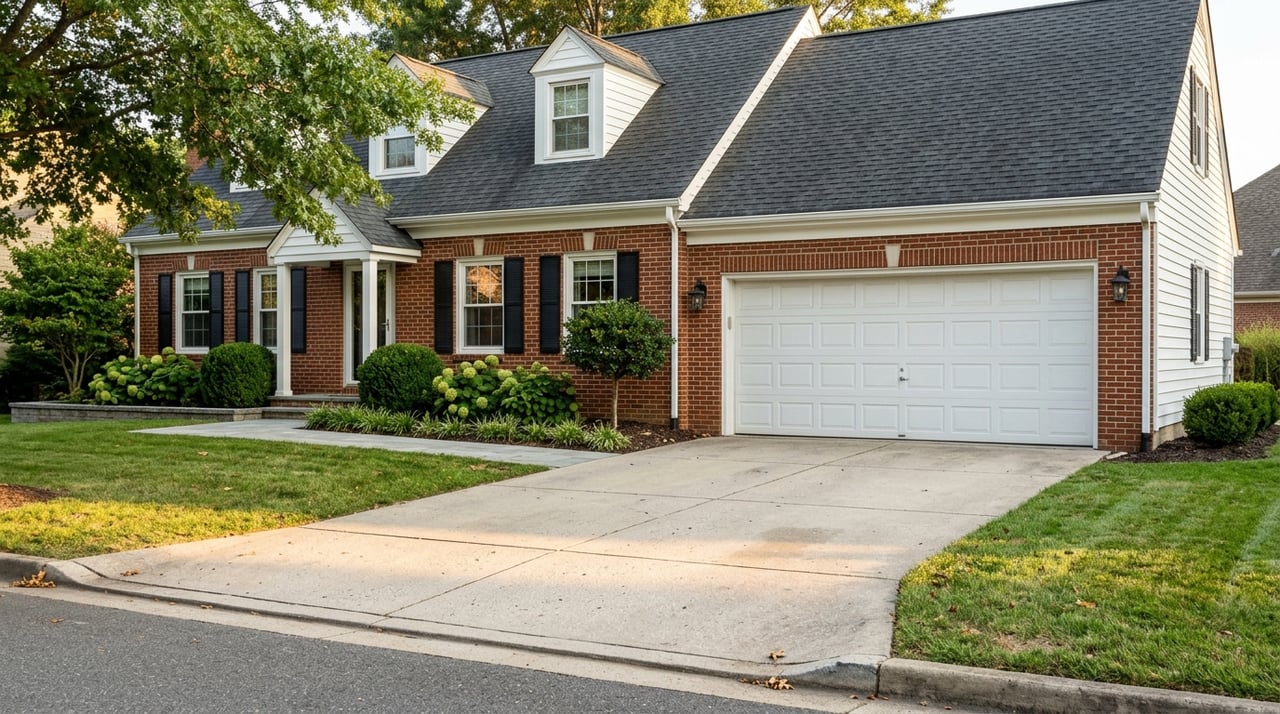
In Stafford, buyers may find the tradeoff leans toward more suburban housing patterns, including homes that often come with more yard space and a car-oriented layout. In Fredericksburg, the price point may line up better for buyers who want a city-style setting with tighter lots and older housing stock.
This is why it helps to compare specific homes, not just market averages. A townhome in Stafford and a home near Fredericksburg’s downtown core can offer very different value depending on your goals.
Purchase price is only part of the monthly picture. Property taxes and reassessment timing can also affect your long-term carrying costs.
Stafford County’s FY2026 adopted real property tax rate is $0.92 per $100 of assessed value. Stafford also uses a two-year reassessment cycle, which means taxable values may update more frequently.
Fredericksburg city lists a real estate tax rate of $0.80 per $100 of assessed value for July 1, 2025 through June 30, 2026, plus a separate fire tax of $0.01 per $100. The city reassesses real estate every four years, with the current reassessment effective July 1, 2024 and the next expected July 1, 2028.
At first glance, Fredericksburg has the lower posted tax rate. But your actual cost depends on the specific property, its assessed value, and when reassessments take effect.
That is why a side-by-side review of actual tax bills matters more than the rate alone. If you are deciding between two listings, looking at the real numbers on each property will give you a much better comparison.
For many buyers, commute reality is the deciding factor. Stafford County planning documents describe the local transportation network as heavily oriented to automobiles, with significant morning and afternoon congestion. Major north-south commuter corridors include I-95 and US-1.
Rail access is another important part of the picture. Stafford has two VRE stations, Brooke and Leeland Road, and passenger service is also available at Fredericksburg station.
Based on the VRE Fredericksburg Line schedule effective March 16, 2026, northbound Train 310 departs Fredericksburg at 6:37 a.m., Leeland Road at 6:44 a.m., Brooke at 6:50 a.m., Quantico at 7:02 a.m., and arrives at Union Station at 8:10 a.m. That works out to a scheduled trip of about 93 minutes from Fredericksburg, 86 minutes from Leeland Road, 80 minutes from Brooke, and 68 minutes from Quantico.
If you need rail access heading north, Stafford generally has the advantage. Its stations sit closer to Washington and Quantico than Fredericksburg station does, which can make a real difference over time.
That said, schedules can change. VRE has noted temporary 2026 schedule adjustments tied to the Long Bridge Project, and some Fredericksburg Line trains currently terminate at Alexandria, where riders transfer to Metro. Before you choose a home based on train access, it is smart to verify the current schedule.
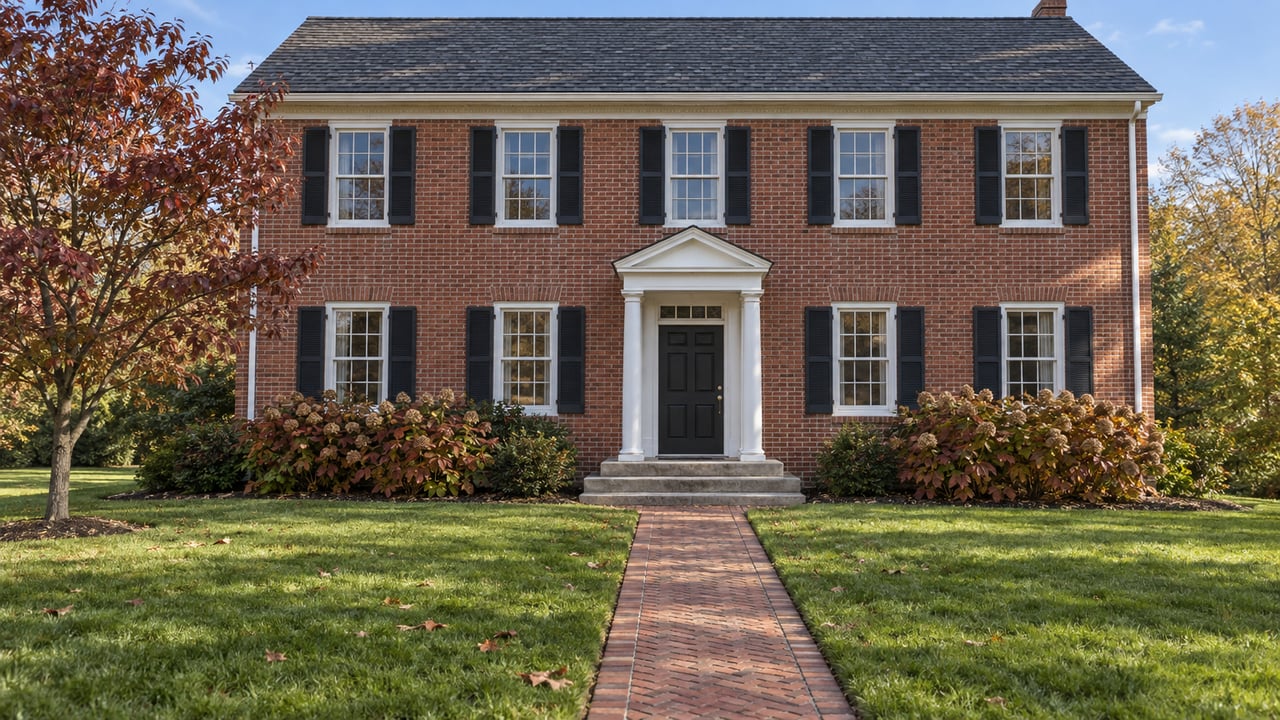
The biggest difference may come down to how you want everyday life to feel. Stafford tends to offer a more suburban environment. The county’s lower density, higher owner-occupancy rate, and planning emphasis on road corridors and commuter access all support that.
For many buyers, that translates to newer subdivisions, more yard space, and a layout where driving is part of daily life. If your routine revolves around commuting north, getting to Quantico, or wanting a home in a more spread-out setting, Stafford may feel like the more practical fit.
Fredericksburg offers a different experience. It is a compact 10.45-square-mile city with a dense housing pattern and a historic district centered in the downtown core.
The city notes that its historic district includes hundreds of buildings, and its downtown parking garage is within walking distance of key downtown destinations, the train station, and many shops and restaurants. That points to a more walkable small-city lifestyle with a stronger downtown amenity base.
If you picture weekends spent around a downtown core, shorter walks to restaurants and local destinations, and a more city-like environment, Fredericksburg may be the better match. If you picture more space, a more suburban neighborhood pattern, and easier positioning for a northbound commute, Stafford may be the stronger choice.
Neither is universally better. The right fit depends on what matters most in your routine, your budget, and the type of home you want.
Here is a simple way to frame the choice:
This is also where home type matters. If you are focused on suburban townhomes or single-family homes, Stafford may align more closely with that search in many cases. If you are drawn to a compact city setting and older housing stock near downtown, Fredericksburg may stand out more quickly.
Stafford and Fredericksburg can both be smart choices, but they serve different priorities. Stafford is usually the practical pick for buyers who want suburban space and stronger positioning for commuting north or toward Quantico. Fredericksburg is often the better fit for buyers who want a smaller, more walkable city with a historic core and a lower posted local tax rate.
If you are narrowing your search, the best next step is to compare specific listings through the lens of your commute, monthly costs, and preferred lifestyle. A clear, local comparison can save you time and help you make a more confident move.
If you want help comparing homes in Stafford and Fredericksburg based on your budget, commute, and goals, connect with Cheantae Lewis for personalized guidance.
Stay up to date on the latest real estate trends.
Reach out to Cheantae Lewis for expert real estate services. Buy, sell, or rent properties with confidence. Contact her today!