Selling Your Manassas Home: A Local Owner’s Checklist
May 7, 2026
May 7, 2026
Thinking about selling your Manassas home? The market can move quickly, and the homes that make the best first impression often have the strongest launch. If you want to sell with less stress, fewer surprises, and a clearer plan, a smart prep checklist can help you focus on what matters most. Let’s dive in.
Before you clean a closet or schedule a repair, it helps to understand what the local market is telling you. In February 2026, Manassas City had 49 active listings, 29 closed sales, a median sold price of $464,000, and an average of 25 days on market, according to PWAR. Homes also sold at an average of 99.3% of original list price, which shows that pricing and presentation still matter.
The broader PWAR region showed 1.2 months of supply in February 2026, and PWAR said sellers still had an advantage even as conditions moved toward better balance. That means you may still have a solid opportunity, but buyers are likely comparing options carefully. A polished launch can make a real difference.
Manassas also has a mix of property types. Of the 29 sales reported in Manassas City that month, 19 were attached homes, while detached homes sold at a higher average price point. If you own a townhome, condo, or single-family home, your prep plan should reflect how buyers will view your specific property type.
Many buyers will see your home online before they ever schedule a showing. That makes your photo-ready checklist one of the most important parts of the selling process. In a market where homes moved in about 25 days on average, the first week on the market carries a lot of weight.
A simple rule works well here: prepare your home for the camera before you prepare it for open-house traffic. Clean lines, open surfaces, and bright rooms help buyers picture the space more easily. That first digital impression can shape whether they want to visit in person.
Start by removing anything that makes rooms feel crowded or distracting. Clean windows, carpets, lighting fixtures, and walls, and put away extra items that draw attention away from the home itself. The goal is not to erase personality, but to make the space feel open, cared for, and easy to understand.
This step matters for every home size. In townhomes and smaller floor plans, clutter can make rooms feel tighter than they are. In larger single-family homes, too much furniture or décor can make it harder for buyers to notice layout and flow.
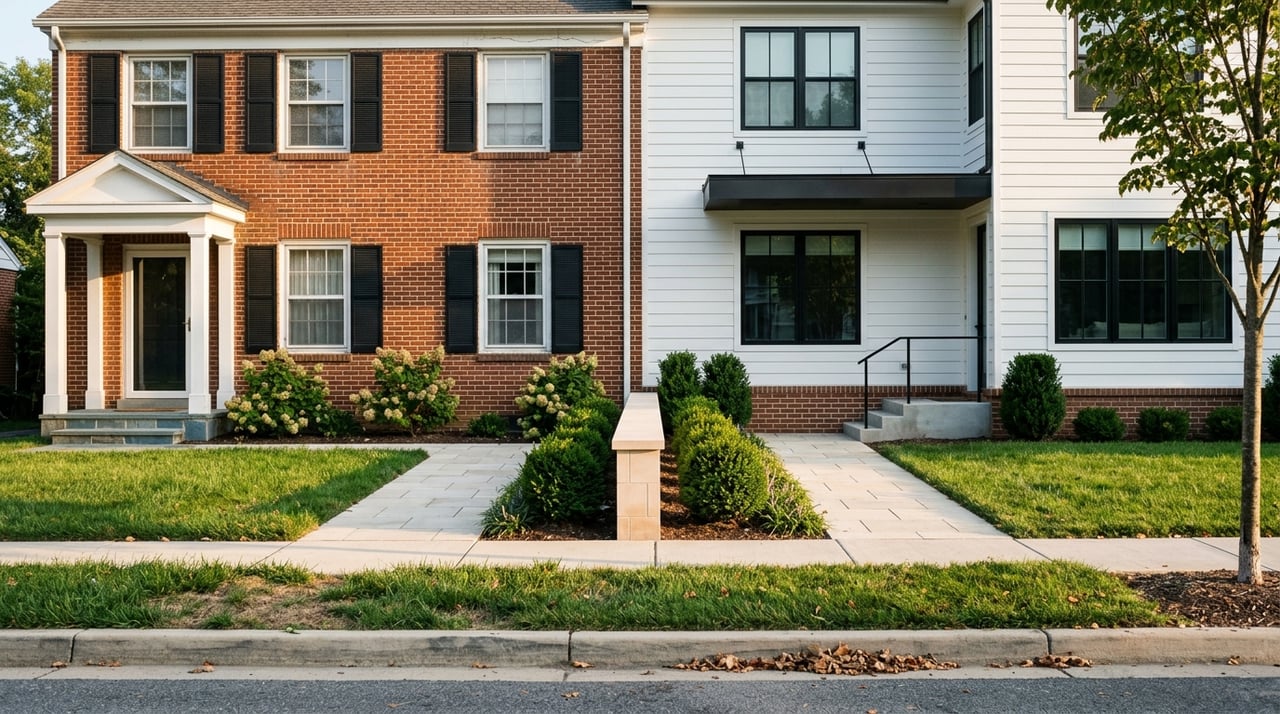
Your exterior sets the tone before buyers walk inside. Landscaping, the front entrance, and visible paint condition all influence first impressions in person and in listing photos. Even small updates like trimming, mulching, sweeping the walkway, or repainting a worn front door can help your home feel better maintained.
Local trend data suggests Manassas buyers respond well to homes that feel updated, bright, and low-maintenance. Features tied to stronger sale-to-list ratios in spring 2026 included lawns, new kitchens, recessed lighting, tile, ceramic floors, gas cooktops, and cathedral ceilings. You do not need to add every feature on that list, but you should make sure the features you already have are clean, visible, and easy to appreciate.
Not every repair deserves your time or money before listing. The goal is to address issues that could hurt buyer confidence, weaken photos, or become repeated objections during showings. A smart prep plan is about impact, not perfection.
Pricing always reflects a mix of size, location, amenities, condition, and market conditions. That means some issues are worth fixing before list day, while others may be better handled through pricing strategy. The key is knowing the difference before your home goes live.
Visible maintenance concerns can create doubt. Peeling paint, loose hardware, stained carpet, cracked tile, dripping faucets, or burned-out light bulbs may seem minor, but they can affect how buyers judge the home overall. If a problem is easy to see, it is often worth addressing.
If your home has a larger concern such as an aging roof, older HVAC system, or an electrical or plumbing issue, get cost estimates even if you do not plan to complete the work. That gives you better information for pricing and negotiation. It also helps you make decisions calmly instead of reacting under pressure once a buyer is involved.
You do not need a full remodel to make your home marketable. Cleaning, decluttering, and modest cosmetic updates can go a long way. If you are deciding between a major project and a strong listing plan, many sellers are better served by focusing on presentation, condition, and realistic pricing.
A pre-list inspection is not required, but it can be a useful move if you want fewer surprises later. It may identify issues with the structure, roof, exterior, plumbing, electrical systems, heating and air conditioning, interiors, ventilation, insulation, or fireplaces. Some inspections may also include tests tied to concerns such as mold, radon gas, lead paint, or asbestos.
If you choose this step, think of it as a planning tool. You can decide what to repair, what to disclose, and what to factor into pricing before a buyer raises it. That can make your sale feel more organized and reduce the chance of last-minute renegotiation.
One of the easiest ways to look prepared is to have your paperwork ready early. Buyers often want details about systems, upgrades, and recent work. If you can provide organized records, it helps support confidence in how the home has been maintained.
Try to gather:
If something is unusual about the property, gather the paperwork for that too. It is much easier to answer questions before the listing goes live than to scramble once you are under contract.
You do not have to stage every room, and you do not have to create a magazine-perfect house. Still, staging can help buyers picture how the home lives. According to NAR’s 2025 staging profile, 83% of buyers’ agents said staging makes it easier for buyers to visualize a home as their future residence.
The rooms staged most often were the living room, primary bedroom, and dining room. That gives you a practical place to focus if time or budget is limited. These rooms often anchor your listing photos and shape the emotional tone of the home.
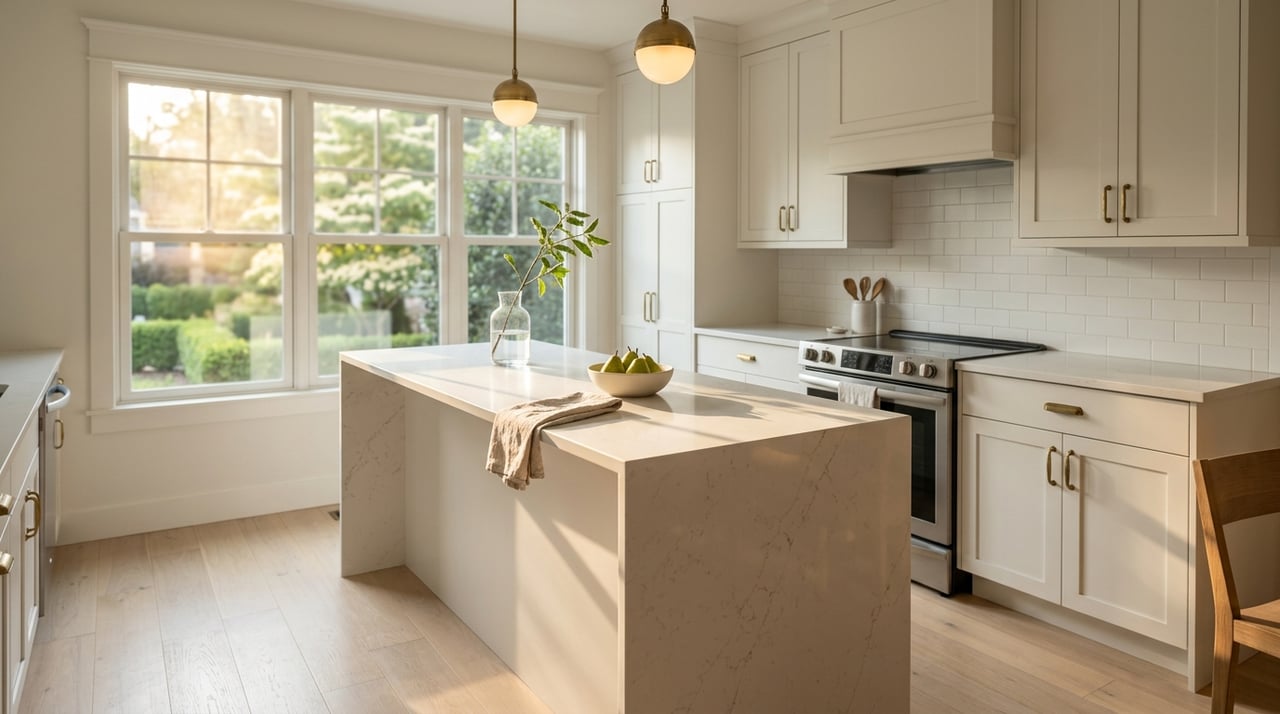
Good staging usually means less, not more. Use balanced furniture placement, clear surfaces, fresh bedding or towels, and enough light to make each room feel welcoming. If a room has an awkward use right now, help define it so buyers can understand its purpose quickly.
Buyers are doing a lot of screening before they visit homes in person. NAR’s 2025 buyer profile found that buyers spent a median of 10 weeks searching, viewed 7 homes, and saw 2 of those homes online only. Your listing needs to stand out on a screen first.
In Manassas, where February 2026 average days on market were 25, your launch matters. You may not get a second chance to create the same level of attention that comes in the first few days. That is why pricing, photos, staging, and listing details should work together from the start.
A strong launch includes professional presentation, clear room order in photos, and a pricing strategy built around current local comps and market pace. It does not guarantee a faster sale, but it does help your home compete more effectively during the period when buyers are most alert to new listings.
Virginia handles residential property disclosure in a specific way. The Residential Property Disclosure Statement is a due-diligence notice rather than a broad warranty from the seller. In simple terms, buyers are expected to do their own investigation, but that does not mean you should wait until the last minute to think about disclosures.
If there is an unusual issue with your property, flag it early and gather the related documents. The Virginia form references topics such as lot lines, flood-hazard status, radon, defective drywall, lead pipes, aircraft noise, wastewater systems, and certain other property-specific matters. Additional written disclosures can also apply in some sales.
Some situations need extra attention, including the first sale of a dwelling, pending building code or zoning violations, lis pendens, methamphetamine history, privately owned stormwater management facilities, and certain septic-permit issues. You do not need to solve every legal detail on your own, but you do want to identify whether any of these categories apply before you hit the market.
If your home was built before 1978, there is also a federal requirement to disclose known lead-based paint and lead-based paint hazards in most sales of housing. That is an easy item to check early so it does not become a delay later.
If you want a simple way to organize your next steps, start here:
Selling a home is not just about putting a sign in the yard. It is about making thoughtful choices before the first buyer ever walks through the door. With the right prep, your Manassas home can enter the market looking polished, priced with purpose, and ready for serious attention.
If you are getting ready to sell and want a local strategy built around your home, your timing, and your goals, connect with Cheantae Lewis for personalized guidance and a free home valuation.
Stay up to date on the latest real estate trends.




Reach out to Cheantae Lewis for expert real estate services. Buy, sell, or rent properties with confidence. Contact her today!