The Sewer Lateral Surprise Waiting in Springfield's Older Homes
October 1, 2026
October 1, 2026
An inspector feeds a fiber-optic camera down a four-inch cleanout and watches the screen as the lens travels under the yard toward the street. In a lot of Springfield homes built before 1980, that camera is running through pipe nobody expected to still be in service this long: clay tile, cast iron, sometimes Orangeburg. The joints show hairline cracks. A root has found its way through a seam and spread into a fan of fine white threads. None of this means the line has failed today. It means the pipe has entered the part of its life where failure becomes a real possibility rather than a distant one.
A sewer-scope finding can reopen negotiations in the days before closing on an older Springfield home.
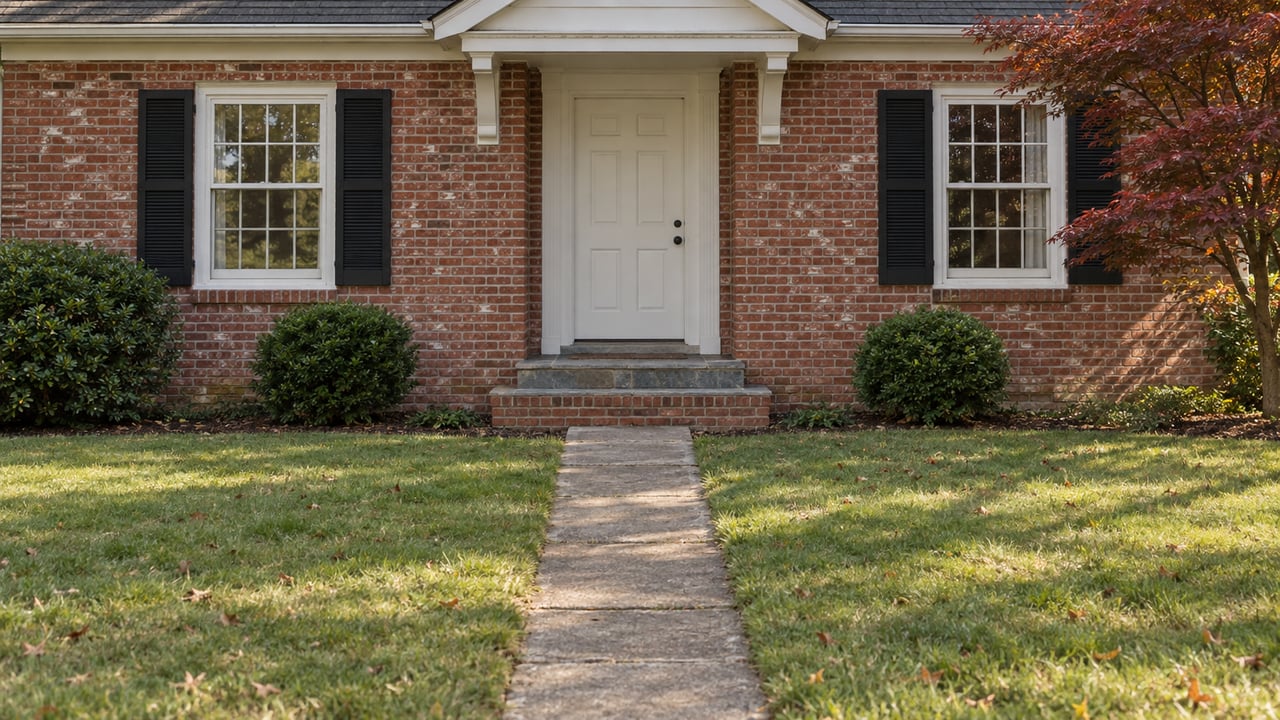
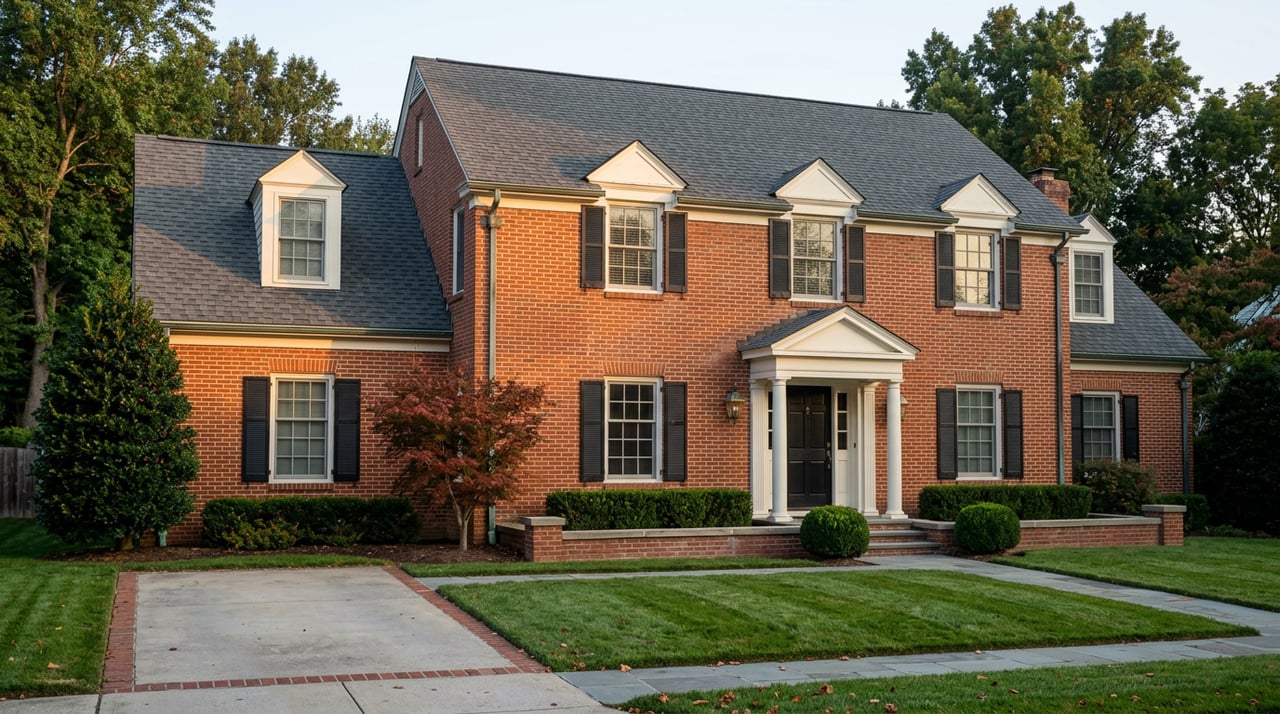
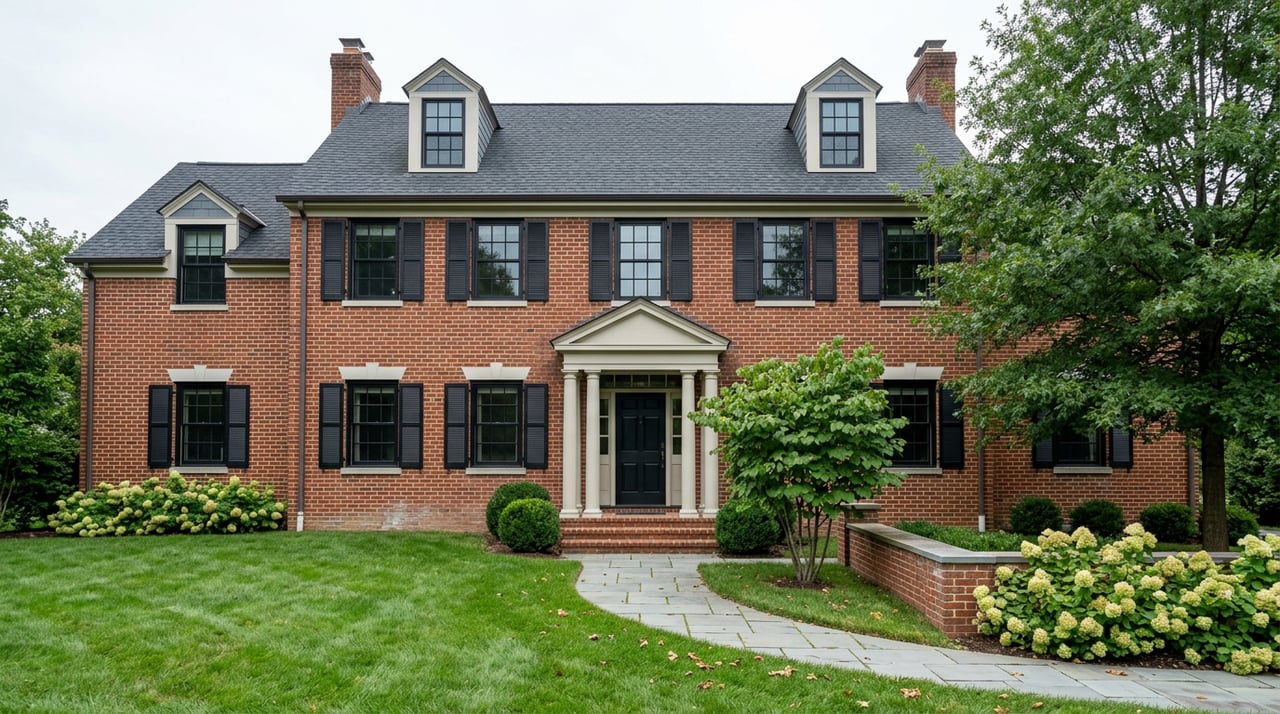
Springfield's housing runs on more than one calendar. North Springfield, inside the Beltway, dates largely to the 1950s and 1960s, with ramblers and split-levels on flat, generous lots near Lake Accotink Park. West Springfield came later, adding 1970s and 1980s colonials on wooded ground along with a deep supply of planned-community townhomes. The 22153 corridor toward the Fairfax County Parkway is newer construction still.
The pipe underground follows the same timeline as the roof above it. A local plumbing contractor's assessment of Fairfax County's sewer infrastructure places Springfield and North Springfield in what it calls the county's second wave: communities built between 1966 and 1980 that carry cast iron and early PVC laterals now 45 to 60 years into service, entering what the same assessment describes as the high-risk zone for failure. Established Springfield neighborhoods like Cardinal Forest and Baltimore Acres sit squarely inside that build window. A home in the newer 22153 corridor is working with a different, younger pipe entirely.
Fairfax County maintains roughly 3,300 miles of sewer main and locates them on request through Miss Utility. What it does not do is locate, mark, inspect, or repair the private lateral connecting a house to that main. Fairfax County's own public works page states plainly that maintaining the private lateral line is the property owner's responsibility under County Code Chapter 65-6-1, and that county crews will help diagnose a backup but the resident is responsible for resolving problems in the line itself.
Clay tile was the residential standard for much of the early and mid-twentieth century. It holds up reasonably well until ground movement or root pressure works a joint apart, at which point it is brittle enough to crack rather than flex. Cast iron corrodes from the inside over a much longer arc, so a stack that has been in the ground for six decades can look intact from the surface while the interior has been thinning out for most of that time. Roots are drawn to the warmth and moisture inside a sewer line regardless of how far the tree's canopy sits from the pipe's path, and oaks, silver maples, and willows, all common across these older Springfield lots, are aggressive about finding a way in once a joint has opened even slightly.
None of that automatically means a full replacement. A camera inspection is what turns a slow drain or an occasional odor into an actual diagnosis, and the repair menu ranges from hydro-jetting to clear roots and debris, to a localized spot repair, to a cured-in-place liner that forms a new pipe inside the old one, to full open-trench replacement when the line is too compromised for a trenchless fix. Which option makes sense depends on the depth, the material, and how much of the run is actually affected, and that only becomes clear once the video exists.
Springfield homes sold for a median price of $685,000 over the three months ending June 2026, up 0.7 percent from the same period a year earlier, with homes averaging 33 days on market compared with 22 days the year before. That extra time on market is not dramatic on its own, but it changes the tone of what happens after an inspection finds an aging lateral. A market moving in 22 days rewards a seller who can say take it or leave it. A market moving in 33 days gives a buyer more room to ask for a credit or a repair before releasing the contingency, and gives a seller less certainty that walking away from that request brings a comparable offer any faster.
A few practical patterns follow from all of this for anyone on either side of a Springfield contract involving a pre-1980 home.
Is a sewer scope automatically part of a Virginia home inspection? Not by default. It's typically a separate item that has to be requested and often costs extra to add to the inspection order.
Which parts of Springfield carry the oldest lateral risk? The build-era pattern points to North Springfield and the older sections of West Springfield, including established neighborhoods like Cardinal Forest and areas near Lake Accotink Park, where cast iron and early PVC lines from the 1966 to 1980 period are now 45 to 60 years old.
If you're weighing whether to scope the line before you list an older Springfield home, or trying to make sense of what a sewer inspection report actually means for the offer you just made, start with a conversation and a free home valuation from Cheantae Lewis that accounts for what's actually running under the yard, not just what's on the surface.
This article is general information, not legal, tax or financial advice. Consult a qualified professional about your situation.
Stay up to date on the latest real estate trends.

Reach out to Cheantae Lewis for expert real estate services. Buy, sell, or rent properties with confidence. Contact her today!