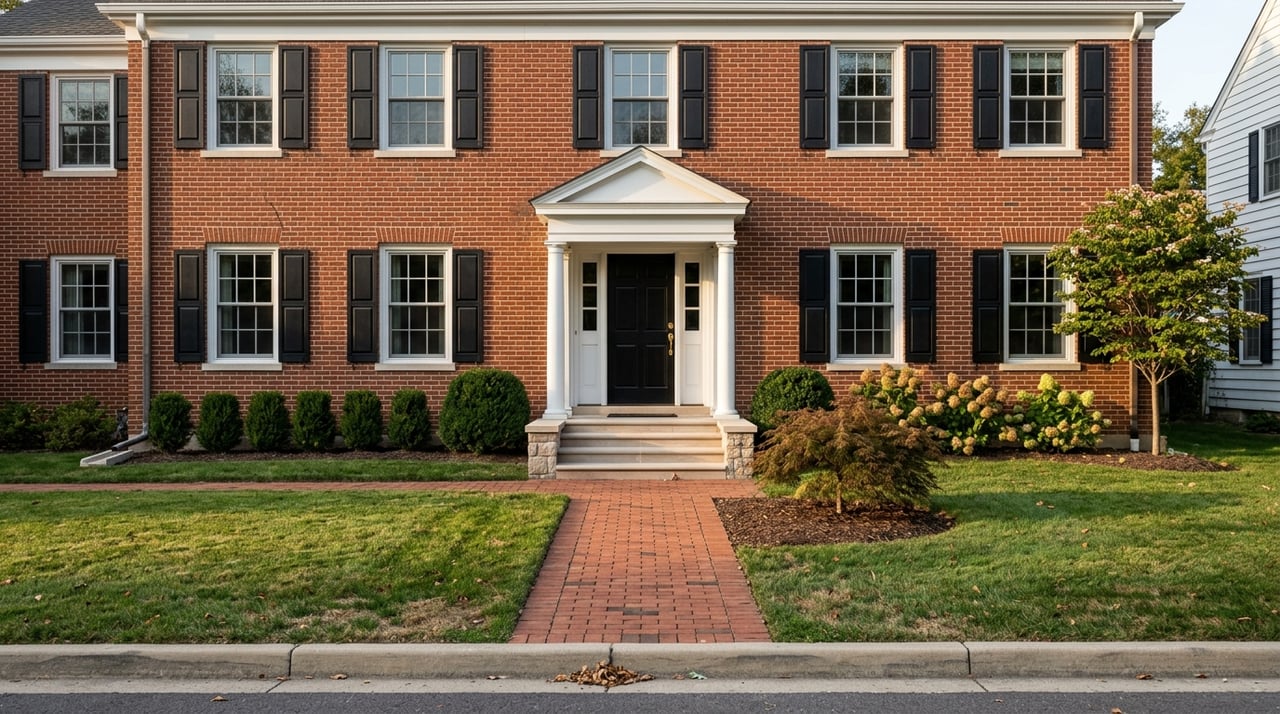
Manassas Neighborhoods Guide: Historic vs Newer Communities
April 2, 2026
April 2, 2026
Trying to choose between Historic Manassas and a newer subdivision? You are not alone. Many buyers love the charm and convenience of older neighborhoods near downtown, but also want the space, parking, and predictability that often come with more suburban communities. If you are weighing both options, this guide will help you compare how each part of Manassas functions day to day so you can make a decision that fits your lifestyle, commute, and comfort level. Let’s dive in.
Manassas is not simply split into “old” and “new.” According to the city’s land use framework, the area is better understood as a mix of Downtown, Traditional Neighborhoods, and Suburban Neighborhoods.
Downtown is the city’s historic civic and business center, built in a compact, walkable pattern around the railroad and Grant Avenue. Traditional Neighborhoods generally predate 1950 and sit around downtown, while Suburban Neighborhoods reflect the post-1950 development pattern of curving streets, cul-de-sacs, and larger private yards.
That matters when you are house hunting. In Manassas, the choice is often less about “historic city versus brand-new suburb” and more about older, gridded neighborhoods near downtown versus more car-oriented subdivisions with a different layout and feel.
If you are drawn to character, walkability, and a more connected street grid, Historic Manassas and the older neighborhoods around downtown may be a strong fit. The city describes Traditional Neighborhoods as having semi-regular blocks, narrow streets, sidewalks on one or both sides, and a mix of housing types on the same block in a more rectilinear layout.
This part of Manassas often appeals to buyers who want everyday convenience. The downtown area is described by the city as a compact, walkable setting with both historic and newer buildings, along with civic, business, and residential uses in close proximity.
Downtown also offers a strong sense of place. The city’s downtown revitalization appendix highlights destinations like the Loy E. Harris Pavilion, the City Square walkway, the Center for the Arts at the Candy Factory, and tree-lined streets with outdoor dining.
One of the biggest advantages of older Manassas neighborhoods is shorter day-to-day trips. In the city’s Downtown South Housing Study, Historic Downtown Manassas is described as a 10- to 20-minute walk from Downtown South, with access to City Hall, the post office, banks, restaurants, coffee shops, salons, and retailers.
That same study says walkability in the area is above average by the EPA walkability index. Still, it is smart to look closely at each block, because even in older areas there can be pedestrian gaps or limited crossings on some streets.
The city’s Transportation Master Plan makes an important point: most streets in Manassas have sidewalks, but connectivity varies. So if walkability matters to you, test the route you would actually use, not just the neighborhood label.
Older neighborhoods can come with extra layers of review and upkeep. The city notes that development in the Downtown Core is governed by the Manassas Historic District Handbook, which means some homes or properties may be subject to design review.
That is not necessarily a negative. For many buyers, historic standards help preserve the look and feel that made the area attractive in the first place. Still, if you are considering a home near downtown, it is worth confirming whether the property sits inside the historic district and what that could mean for future exterior changes.
If your priorities lean toward more yard space, off-street parking, and a more predictable subdivision layout, newer Manassas communities may feel like a better match. The city describes Suburban Neighborhoods as low- to moderate-density areas with substantial private yards, wide curving streets, off-street parking, and cul-de-sacs.
These neighborhoods are designed differently from the downtown core. Instead of a tight grid with mixed uses nearby, suburban areas tend to be more residential and more dependent on driving for errands and daily routines.
For some buyers, that trade-off makes perfect sense. You may prefer easier loading and unloading, a garage, or a quieter, more private site plan over having shops or restaurants within walking distance.
A key detail in Manassas is that “newer” does not always mean a huge master-planned subdivision with rows of brand-new detached homes. The city’s housing plan says Manassas is nearly built out, and much of the more recent supply has come from infill and redevelopment rather than large greenfield projects.
That means newer options may include townhomes, condos, apartments, and smaller mixed residential projects. The city points to developments such as Hastings Marketplace, Landing at Cannon Branch, and Jefferson Square, along with newer housing in Downtown South like the Courts at Historic Manassas.
So when a listing is described as newer, it is worth asking exactly what that means. It may be new construction, but it could also be a newer infill home in an older part of the city.
In more suburban Manassas neighborhoods, HOA structure and common-area upkeep can play a bigger role in daily ownership. The city’s housing plan specifically recommends expanding and promoting grants for homeowners’ associations to help with major maintenance such as fence repairs and repaving.
That does not mean every newer community has the same fees, rules, or amenities. It does suggest, however, that HOA governance is a meaningful part of the housing landscape in many of Manassas’s more suburban settings.
Before you buy, review what the HOA covers, what it does not cover, and whether the rules fit your expectations. That is especially important if you are comparing several townhome or planned communities.
For many buyers, the deciding factor is not architecture or lot size. It is commute.
The city’s comprehensive plan overview points to transportation links like VRE and Prince William Parkway, while the transportation master plan highlights the importance of I-66 and Route 28 in local travel patterns. In other words, where you live within Manassas can shape how easy your workweek feels.
If rail access matters to you, downtown-adjacent neighborhoods can have a clear advantage. Virginia Railway Express operates commuter rail service from Northern Virginia to Alexandria, Crystal City, and downtown Washington, D.C., and the immediate Manassas area is served by Broad Run, Manassas, and Manassas Park stations.
According to the VRE station information, the Manassas station includes parking, but riders need a valid permit. If train access is part of your routine, verify both distance and parking logistics before you commit to a home.
When buyers compare historic and newer neighborhoods, they sometimes focus too much on the year built. In Manassas, the better question is often: How do you want your day to work?
If you want a compact layout, quicker trips to downtown destinations, and a neighborhood with an older street pattern, historic Manassas may be the better fit. If you want more private outdoor space, a garage, and a more suburban site plan, a newer community may serve you better.
Neither option is automatically better. They simply solve different problems.
As you compare homes in Manassas, keep these questions in mind:
These details can make a bigger difference than the listing photos suggest.
The good news is that Manassas offers range. You can find older, walkable blocks near the historic core, as well as suburban neighborhoods that offer more space, off-street parking, and a different pace of life.
The right choice comes down to what you value most: character, convenience, commute access, maintenance expectations, privacy, or yard space. When you match the neighborhood layout to the way you actually live, your home search becomes much clearer.
If you are planning a move in Manassas and want help comparing neighborhoods, commute trade-offs, and home values, connect with Cheantae Lewis. You will get thoughtful, data-informed guidance tailored to your goals.
Stay up to date on the latest real estate trends.

Reach out to Cheantae Lewis for expert real estate services. Buy, sell, or rent properties with confidence. Contact her today!